

Wholesale Training & Inspiration
Our Most Popular Posts

The "set it and forget it" era on Faire is officially over — here's what changed, when it changed, and what it actually takes to succeed on the platform today.

Your line sheet is often the only thing a store buyer sees before deciding whether to place an order. Here's how to make sure it's doing its job — from structure and format to common mistakes.

Faire has become a part of the maker community. In fact, most of the makers we work with also use Faire or similar. That said, there are some things to be cautious about if you are considering using Faire as a key avenue for your wholesale growth.
Free Wholesale Courses
Getting Started With Wholesale
Understand if wholesale is right for you, get insider tips on how wholesale works, and learn how to get started, right away.
Need a great line sheet? This free mini-course (and template!) gives you everything to make a pro line sheet to sell to stores.
Learn what Faire actually requires to succeed, the real limits of the platform, and decide if Faire is worth it for your business.
Deep Dives On Key Topics

Some brands swear by Faire, some have sworn it off, and most of us are somewhere in the messy middle. We pulled together 11 of our most useful articles on Faire — the real costs, the algorithm, Faire Markets, and what happens after the sale — into one roundup for makers at any stage with the platform.
If your Faire sales feel flat, the problem probably isn't your products — it's your listings. Here's what the algorithm actually needs to surface you to the right buyers.

I sat down with Faire's Customer Marketing Lead to get the real scoop on Market prep, visibility, and conversion — here's what surprised me and what just confirmed what we already suspected.
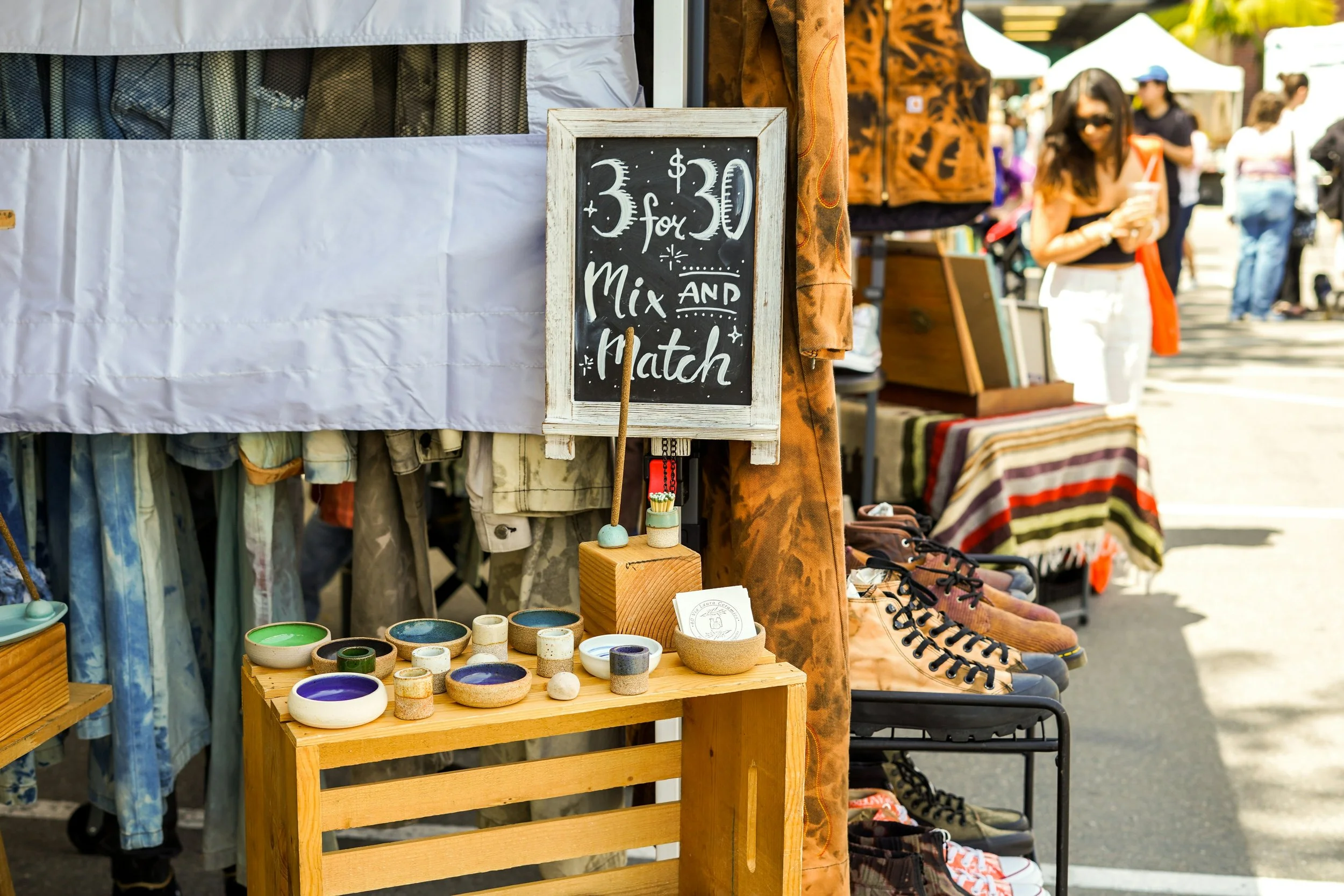
Faire Markets happen twice a year and bring serious retailer traffic — but are they worth it for your brand? Here's what to know before the next one, including the risks most brands overlook.

Most Faire sellers know about the 15% commission — but once you stack on the new customer fee, processing costs, shipping, promotions, and ad spend, the real cost of making a sale on Faire looks very different, and you can't make smart decisions until you know that number.

If you have even a modest history of wholesale orders, you have more than you realize. Here's a simple analysis that can change how you grow.
If your Faire orders have dried up or dropped dramatically, it's almost certainly not about your products — here's exactly why it happens and what you can actually do about it. We dive into the early visibility boost Faire gives you, the “rules” and shifting goal posts on the marketplace, and the somewhat vexing algorithm. And of course, how to get back on track if needed.
The "set it and forget it" era on Faire is officially over — here's what changed, when it changed, and what it actually takes to succeed on the platform today.

One of our wonderful community members, Ann, wrote to us the other day with a question that may sound basic to some. But it’s a question that so many folks struggle with… and feel like they’re missing something. So today, I'm answering a tough question that almost everyone using wholesale marketplaces struggles with at one point or another!

The more Faire becomes a market leader, it’s easy to feel like Faire is the “only” wholesale platform that brands need to know about. But there are some great platforms that serve a more specific niche. And that focus can be an incredible opportunity. Sometimes these platforms have better terms and buyers who are a better fit — so are worth considering as a part of your overall wholesale strategy.
Recently, we were lucky enough to sit down with the folks from Powered By People and got to dig into all the specifics of how PBP works, how they find the balance between profit, people, and planet — and how to think about whether PBP is right for you.

When Faire Wholesale first debuted, many makers were pretty amazed by all that it offered. It felt like a game changer to have so many buyers in one place… and to be able to manage your wholesale ordering on their platform. And it’s true – for many independent brands, Faire has proven to be an incredible asset.
As time has gone on, though, not everyone has decided they love Faire. Some makers find the commissions to be punishingly high. Other brands find that it’s hard to build sustainable relationships with store owners through the platform. And still others simply don’t get orders there.
Faire has become a part of the maker community. In fact, most of the makers we work with also use Faire or similar. That said, there are some things to be cautious about if you are considering using Faire as a key avenue for your wholesale growth.

Here at Wholesale In a Box, we know that your time is valuable and that keeping on-top of all the latest wholesale marketplace news can be time consuming. You’re so busy managing the ins and outs of your business that sometimes relevant information can slip right by you. So today, we’ve filtered all the recent updates and bring you three wholesale marketplace surprises that may directly impact your day to day operations.

As many of you know, the online wholesale marketplace landscape is ever changing. It seems like a new marketplace opens every 6 months.
When marketplaces change focus or shut down, we know brands and makers can be left frustrated, scrambling, and wary of joining yet another marketplace. Which is why we put together some tips on how to move forward and continue your wholesale journey, even when a marketplace closes.

In June 2023, after 6 years of operations, Tundra, one of the largest online wholesale marketplaces at the time, shuttered its online marketplace. Tundra’s email announcement made some big waves by announcing their intention to file a lawsuit against Faire, while simultaneously promoting their new online wholesale business, Wholesale Co-Op. In the whirlwind that followed, Wholesale Co-Op went belly-up at the end of January 2024. This article reviews the details on both Tundra and Wholesale Co-Op.

With Faire now the dominant wholesale marketplace — and many others like Tundra, Abound, and Bulletin now closed — choosing the right platform matters more than ever. Here's what makers need to know.

As of October, 2023, JuniperMarket closed its virtual doors permanently. Its parent company ANDMORE (International Market Centers) is turning its focus into their physical markets and digital tools designed to support those physical marketplaces.
That said, read on if you are curious what JuniperMarket originally was…

It’s so exciting to get an order from a new stockist. But the thing that is most satisfying and ultimately transformative to your business is to have long-term relationships with stockists that order from you repeatedly over the span of years. Here’s what we recommend in terms of communication with your stockists, including those who buy from you on Faire.
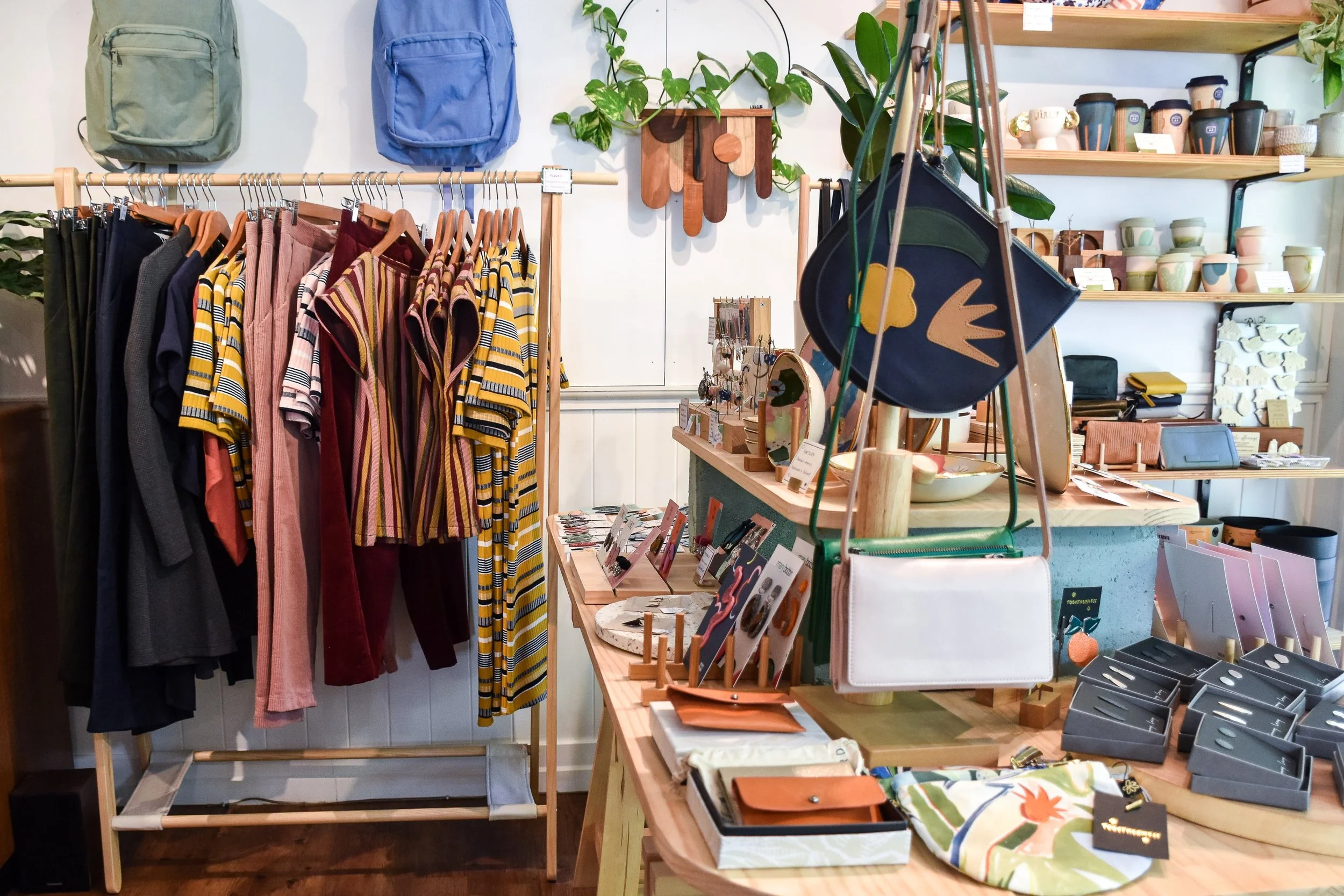
When considering wholesale marketplaces there is no shortage of options these days. Many of the marketplaces are similar but small differences can mean large impacts on makers and independent brands. In this article we review a newer wholesale marketplace, Creoate, and give you the information you need to decide if it’s a good fit for your wholesale strategy.

For years, Abound was a major player in the wholesale marketplace world – and a major competitor to Faire. So for many small brands, Abound was a marketplace they had considered selling with.
In 2023 and 2024, though, Abound made an abrupt business model transition and then (effectively) closed altogether. In this article we wrangled all the details of that evolution – and we’ll give you the details you need for Abound, Droply, and their Droply’s parent company, Carro.

Reviews and tips about Bulletin wholesale marketplace from makers and small product companies, pros and cons of using Bulletin, and an interview with the co-founder getting her thoughts and how to decide if it is for you.

Handshake by Shopify was a promising wholesale marketplace for independent brands — until it closed in 2022. Here's what makers thought of it and where to go now.

Thinking about selling on Faire Wholesale? We've worked with 2,000+ makers and advise Faire directly — here's an honest look at what actually works, what to be cautious about, and how to decide if it's right for you.

As one maker friend put it: People were saying for months that a shift was going to happen with Etsy Wholesale. And, well… Shift happened. As you’re probably well aware by now, Etsy Wholesale is closed its doors: July 31, 2018 was the last day of the platform. While few people are surprised -- since Etsy Wholesale had been quietly withdrawing for months -- many makers are understandably frustrated, freaked out, or just… tired.

A wholesale line sheet can be the most powerful document to have on hand if you’re growing wholesale. Many makers spend a lot of time developing a wholesale line sheet to win the hearts and minds of buyers – but lose the sale because of simple mistakes that they could have avoided. So in this article, we’re putting a big old “WATCH OUT!” sign in front of all the pitfalls before you get to them.
Your line sheet is often the only thing a store buyer sees before deciding whether to place an order. Here's how to make sure it's doing its job — from structure and format to common mistakes.

If you’re working to grow wholesale as a maker or independent brand, you probably have (or will have) some kind of wholesale line sheet. But… having a line sheet is not the same as having an effective line sheet. It's often going to be the only representation of your products that a store owner ever sees before they decide whether to place an order. And if store owners are taking the time to consider your line, it’s a shame to squander that attention with a document that doesn’t represent you well.

Yes, your art is meaningful on its own. Yes, your products are tangibly better than others. But ultimately, your story is a key reason that a store owner will choose your line over another. In fact, with all the hullabaloo about Faire accepting international makers (what many US makers read as “cheap stuff coming in from other countries”) this becomes even more important for any maker trying to grow wholesale.

There are a lot of different options for presenting your product line to retailers. You can use your Faire storefront… you can use an online tool like Candid… or of course you can create a PDF document like a line sheet or a catalog.
There are pros and cons to the different approaches but if you do decide to create a PDF line sheet or catalog, you probably know that it can be time-consuming to set up. We provide a lot of guidance in the Wholesale In a Box course as to what should be in the line sheet… but until now, we hadn’t provided an actual template you could edit, use, and hit the ground running.
So we’re happy to share that as a bonus to Wholesale In a Box, you’ll now get a Line Sheet / Catalog Template… for free!
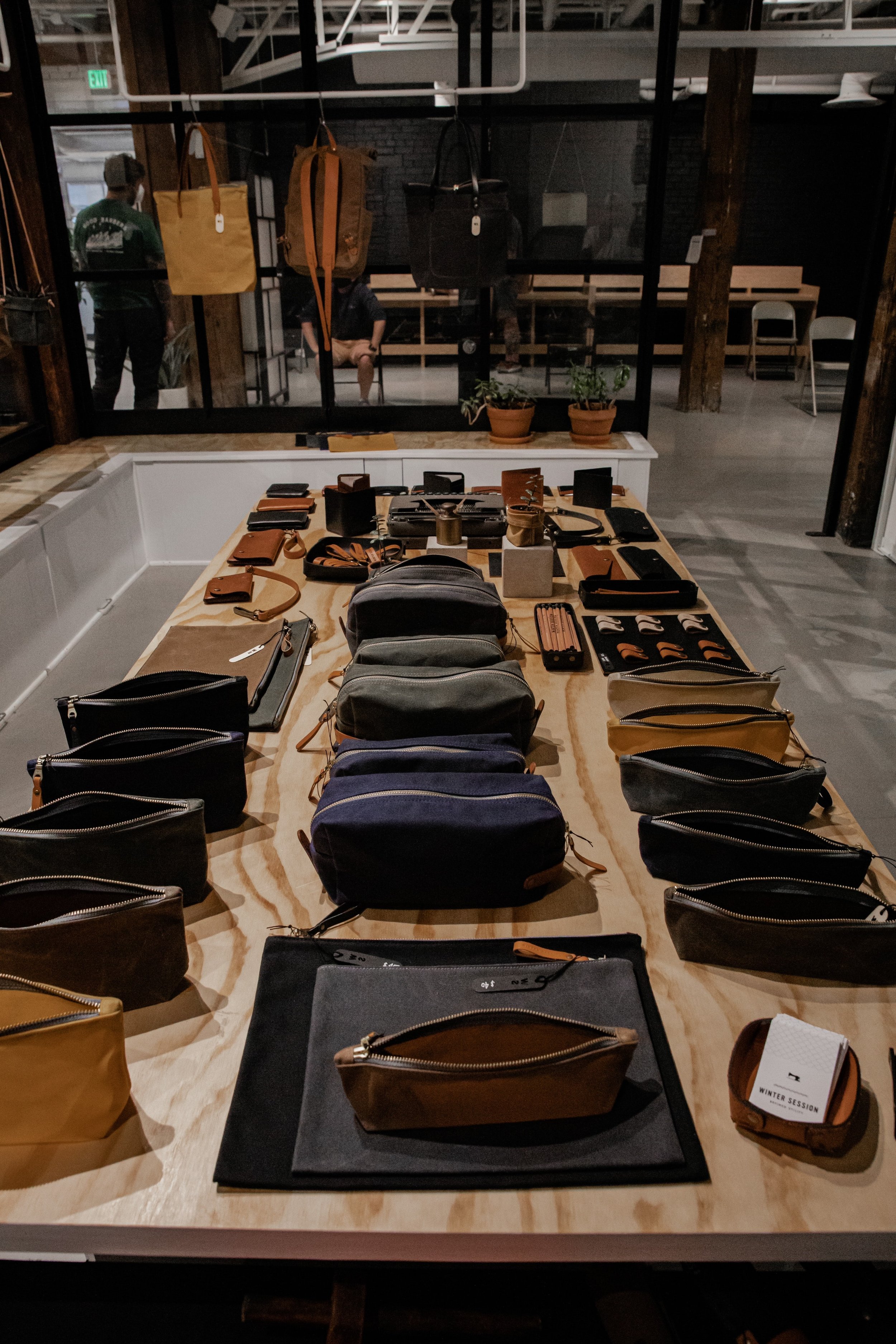
If you’re working to grow wholesale, your wholesale line sheet (or wholesale catalog) is one of your most important tools. It’s a single, cohesive way to present your line, products, pricing, and wholesale terms in a format that lets you tell your story to store owners, exactly how you want to.

Our guide to making quick, affordable changes to your wholesale line sheet — for makers and small product lines.
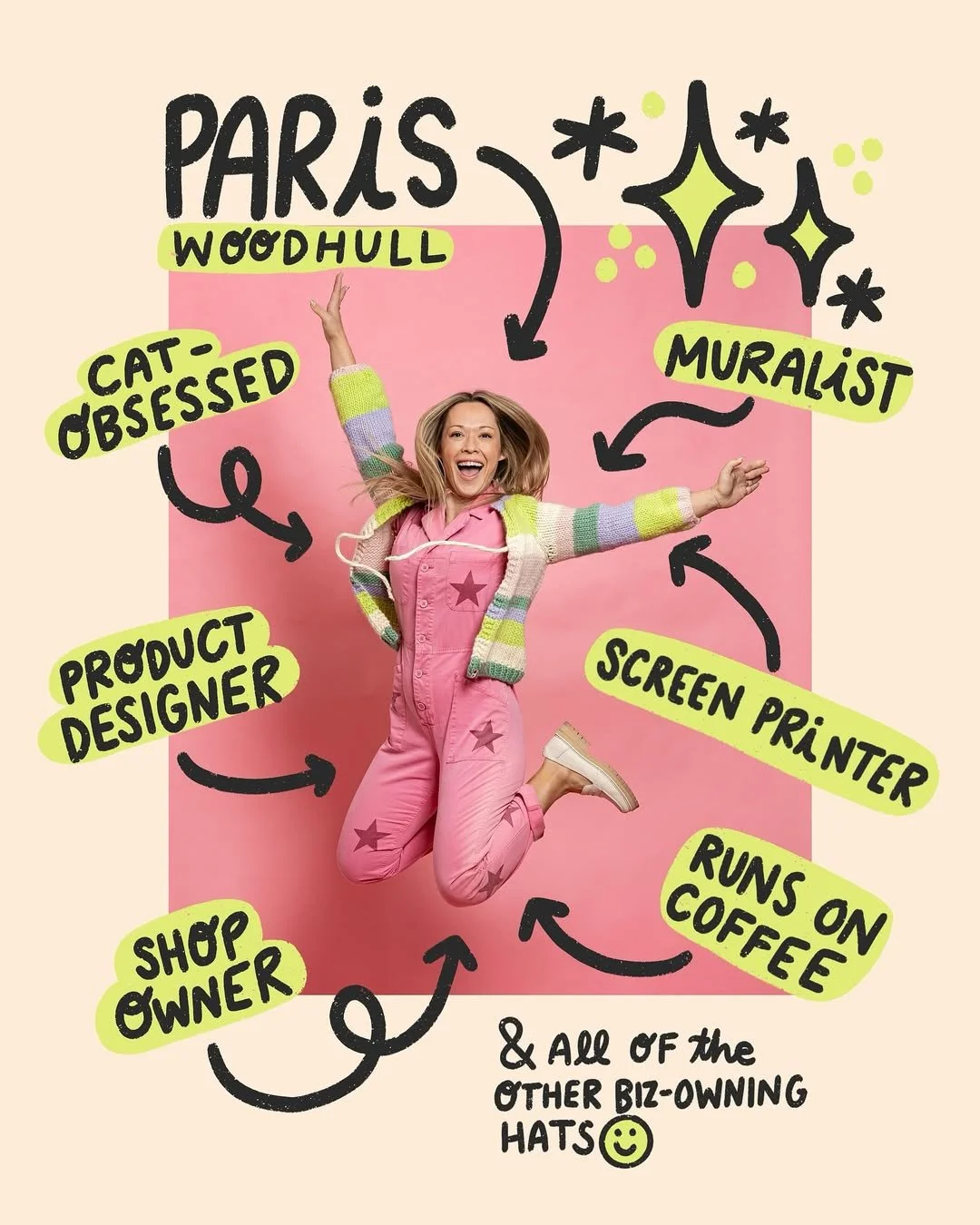
Paris Woodhull is a Knoxville-based illustrator with 14+ years of retail experience, including running her own storefront. In this conversation, she gets into what stops great products from selling in stores, what makers consistently misunderstand about the store owner's reality, how to approach a shop in person without making it awkward, and the one thing she'd tell every maker to fix first.

Arianne Foulks is the founder of Aeolidia, a design agency specializing in branding, email marketing, and Shopify sites for creative businesses. She's worked with over 700 brands, grown her team to twenty people, and has a lot of hard-won perspective on what actually makes a product land, or miss, with customers and buyers alike. We talked with her about brand strategy, packaging, photography, and what it really feels like to run a business right now.


Some makers feel intimidated by store owners -- they seem inaccessible, powerful in the maker world, and ultra-discerning in their preferences. Other makers are a cavalier with how they interact with shop owners, being informal to the point of rudeness or using an approach that just isn’t effective. The remedy for both? Really understanding store owners’ experiences and perspectives -- developing empathy for what they’re up to and what they’re all about.

Part of Made to Last – a series of interviews we’re doing with established makers who have grown and evolved their businesses over the long term. We sit down with Sarah Omura of So Handmade and learn about her prioritization of simplicity, and patient evolution of her company over years.
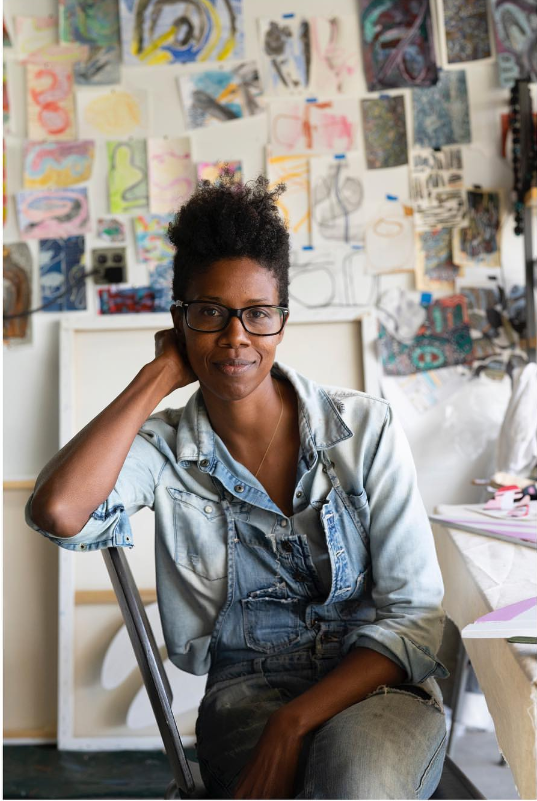
Part of Made to Last – a series of interviews we’re doing with established makers who have grown and evolved their businesses over the long term. We sit down with K’era Morgan of k-apostrophe to discuss her passion of collaboration, exploring new mediums and supporting her community.

Part of Made to Last – a series of interviews we’re doing with established makers who have grown and evolved their businesses over the long term. We sit down with Jonnie Estes of Grey Theory Mill. Jonnie gets specific about how the pandemic and the recession are affecting her sales, the emotional roller coaster of running a business, the good, bad, and ugly of her experiments with ads – and where she is headed now (12 years into running her business.)

Part of Made to Last – a series of interviews we’re doing with established makers who have grown and evolved their businesses over the long term. We sit down with Lori Roberts of Little Truths Studio and learn about how she found her flow with structure and going her own way.

First of all, I hear you. HIRING IS HARD. It’s hard to manage people. It costs money. It takes a huge amount of time to find, vet and train people. You don’t have a big enough studio. You’re an introvert. You have just a small amount of work available. You live in a tiny town. You’re an artist, not a manager. You tried that last year and it didn’t work out.

Part of Made to Last – a series of interviews we’re doing with established makers who have grown and evolved their businesses over the long term. We speak with Becca of Thicket talk money, starting small and focusing on what really matters in a small business.

Today we’re sharing tips for staying healthy and productive from two more powerful makers who know their stuff.

Regular people don’t realize how insane the pre-Christmas months are for makers. But: it’s true, they’re insane.
The sheer quantity of work -- in combination with the uncertainty and pressure of making the most of holiday sales -- adds up to quite the exhausting scenario.

SugarSky is one a maker brand that has found the elusive balance of being very well-respected by peers and customers alike — but also scaling pretty quickly in smart ways.
So we decided to hop on the phone to hear how her business has evolved. What she shared was really inspiring, very actionable, and sometimes surprising.
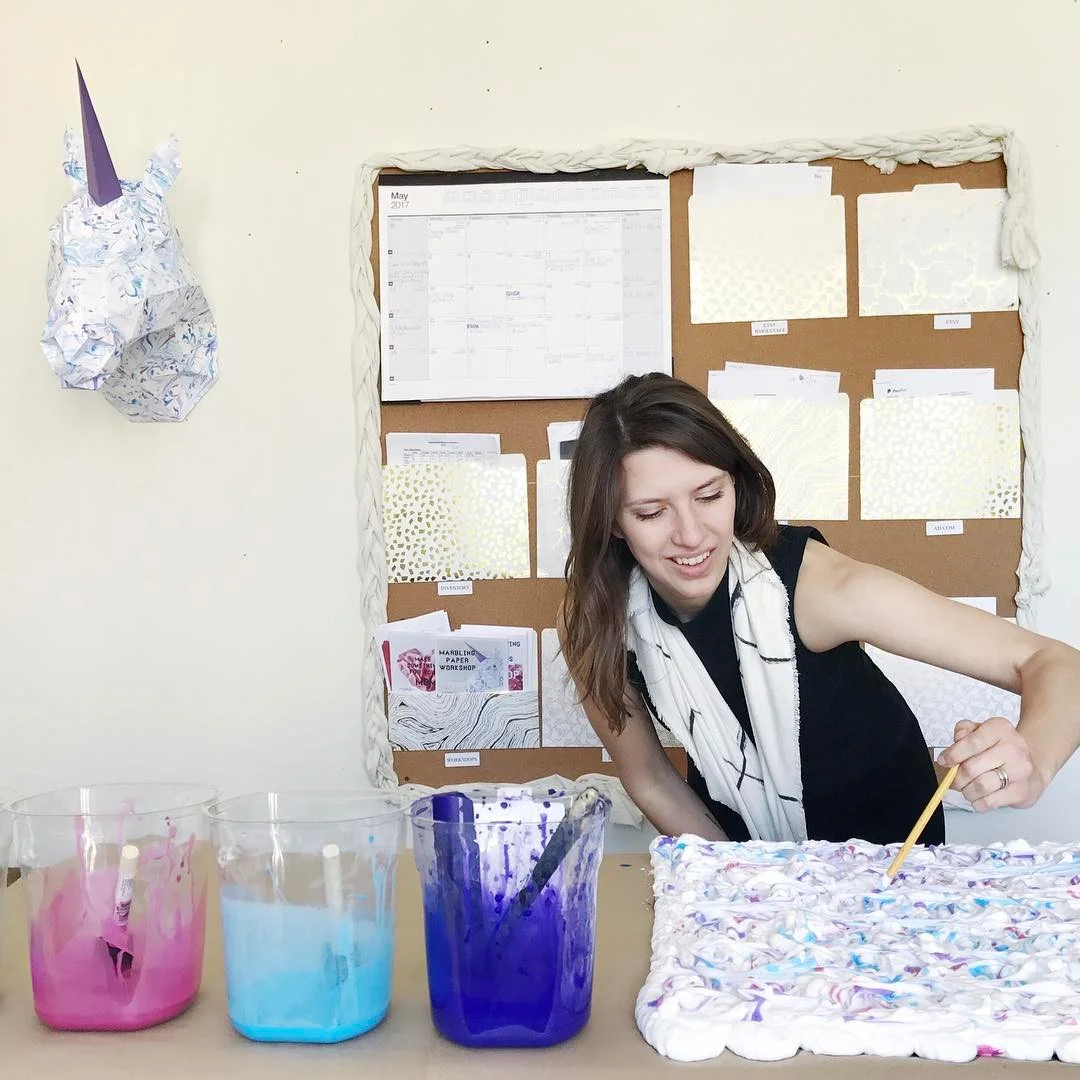
We asked some of the makers that we work with for their advice. They thought about the early days of growing their handmade wholesale business and sifted through their experiences for the single piece of advice they think is most crucial.
Here’s what they said…

We sat down with Olivia to talk about the pros and cons of three different wholesale outreach methods: email outreach, trade shows and walking into stores to introduce your work.
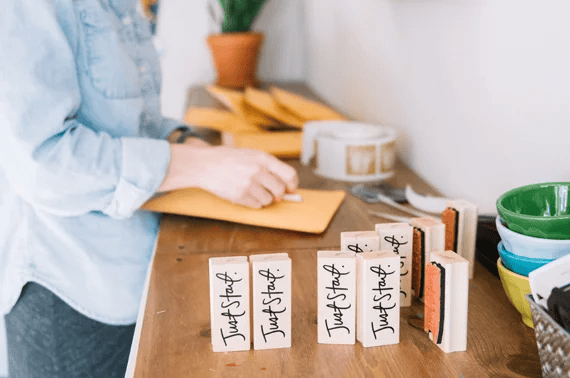
We are so excited and honored to share an interview that we had with (the great) Elise Blaha Cripe on Elise Gets Crafty. We talk about getting started with wholesale, what to expect from stores, what you really need to jump into wholesale, tips on terms and conditions, and more!
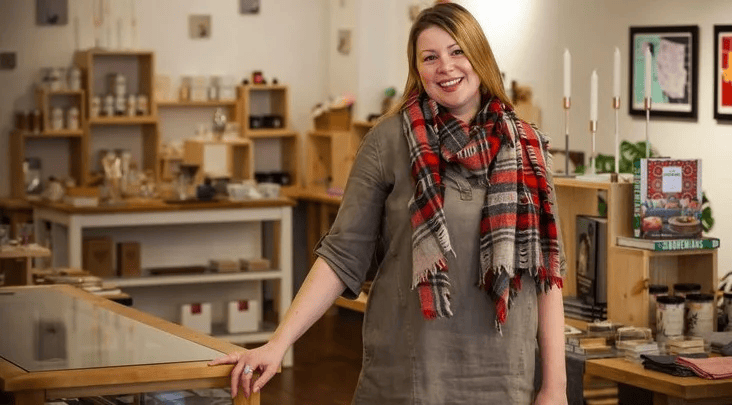
Liz Sieber’s stores are simultaneously super-friendly and exquisitely curated and designed. Walking into Omoi Zakka or Sieber’s new store, Select Shop 215, feels like stepping into a story that unfolds shelf by shelf. The gorgeously practical is nestled next to the outrageously creative -- and it’s all with a consistent voice and point of view. Handmade goods sit alongside Japanese imports; luxurious splurges and economical little items both have their spots. It’s the kind of place that is as inspiring as any museum, but also so accessible and welcoming that you feel instantly at home.
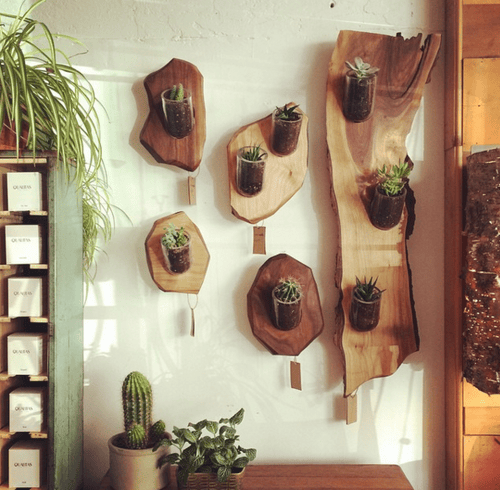
Last week, we ducked into Moon and Arrow from a cold rain and tucked our umbrellas by the door. As always, we felt like we’d entered a palpably distinct space. Lights sparkle off glass and bronze and scents waft over lovingly made displays. There are tea towels by Native Bear nestled near jewelry by Forge and Finish, by a rack of vibrant vintage, alongside pouches by Peg and Awl.

There's a Norwegian jiu-jitsu champion who changed how I think about wholesale (stay with me). His quote, “a copy is never as good as the original,” applies just as much to your line sheet, your marketing, and the size of your business as it does to a fight.
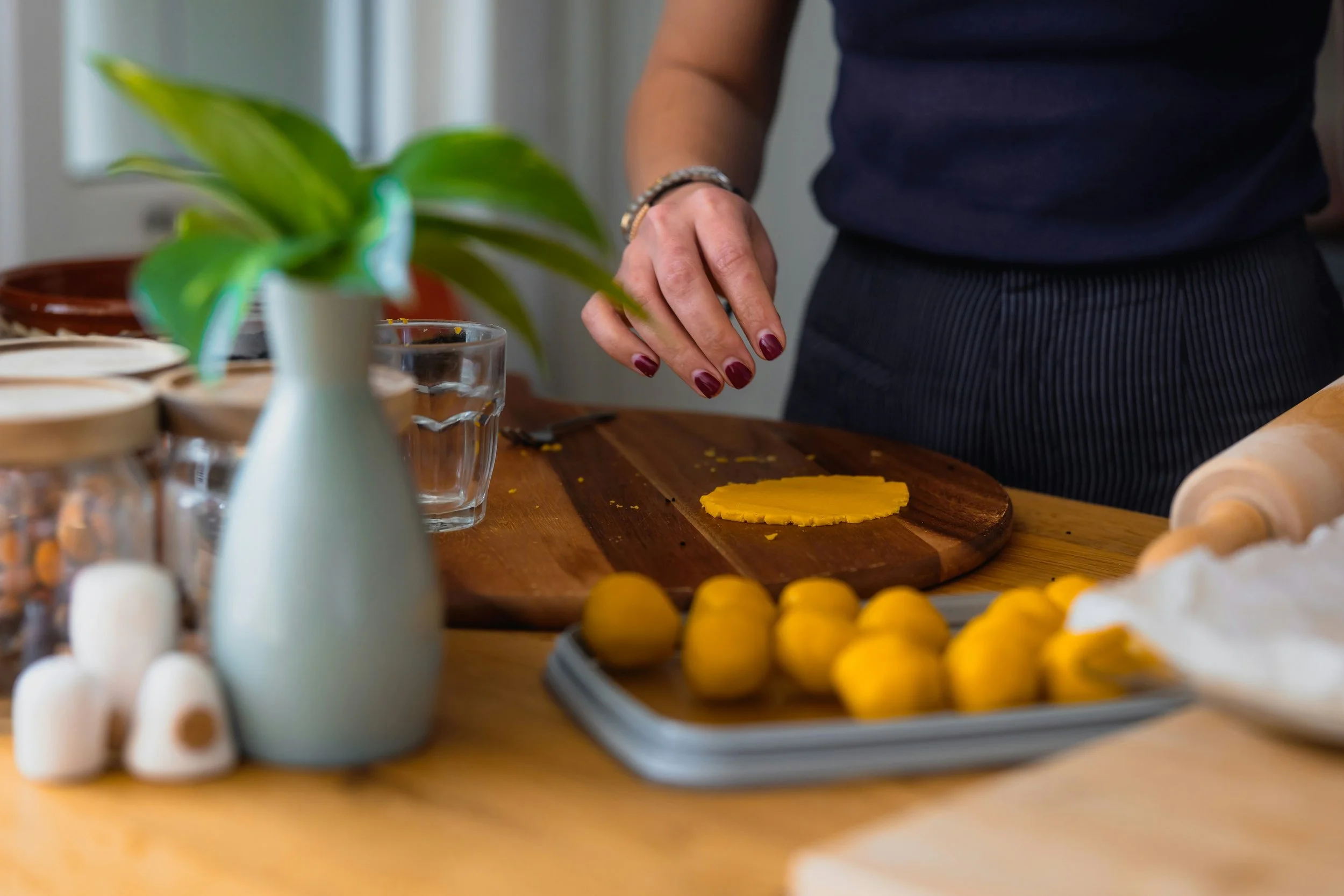
Some part of us wishes that things would have a hard part that eventually gets easy when we reach our goal. But if our strength rises to meet the challenge, then easier over time would just mean weaker over time.
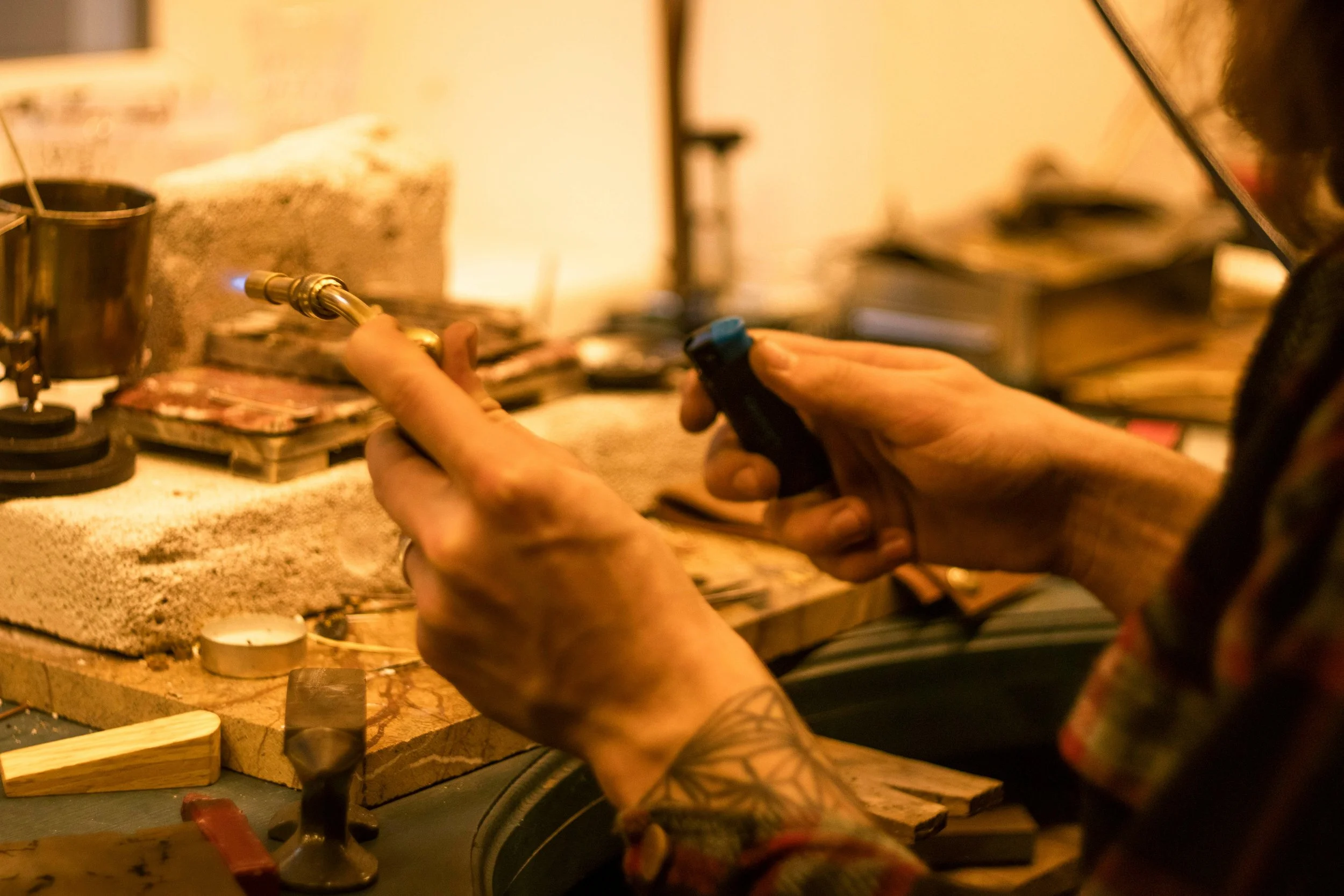
A newer maker wanted to play it safe by making pieces "more like everyone else." Here's why that instinct is usually wrong and the 4 things I know to be true about building a line that's both successful and truly yours,

Everyone's talking about AI and automation these days, and sure, some of it's worth trying. But these three low-key tools are still some of the fastest ways to save time on email without losing the personal touch. No prompts, no subscriptions to manage, just simple shortcuts that work.
If your Faire sales feel flat, the problem probably isn't your products — it's your listings. Here's what the algorithm actually needs to surface you to the right buyers.
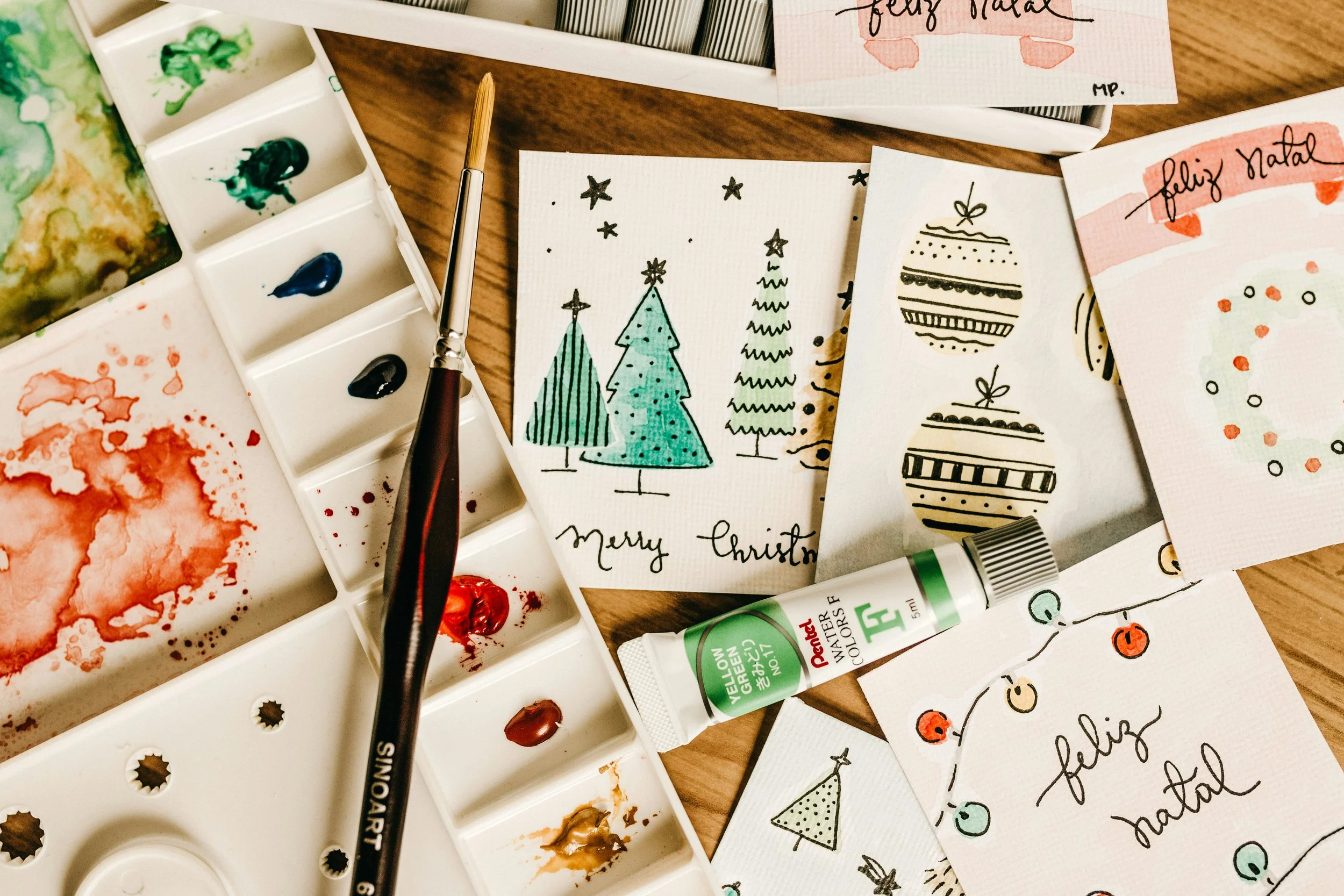
Your cheat sheet for holiday sales and holiday sanity. It’s for any maker who is trying to get their handmade line into more stores, but without driving themselves insane. We share our biggest learnings, based on watching hundreds of makers grow wholesale over the holiday
A single wholesale order might only be worth $150 — but the store behind it could be worth $3,000 over time. Here's how to turn first-time stockists into long-term accounts that reorder quarter after quarter.

Most of us carry around a vague idea of "the worst that could happen" in business. And because we never look at it directly, it has power over us. Here's what changes when you stop hoping it won't happen — and start accepting that it probably will.
I sat down with Faire's Customer Marketing Lead to get the real scoop on Market prep, visibility, and conversion — here's what surprised me and what just confirmed what we already suspected.
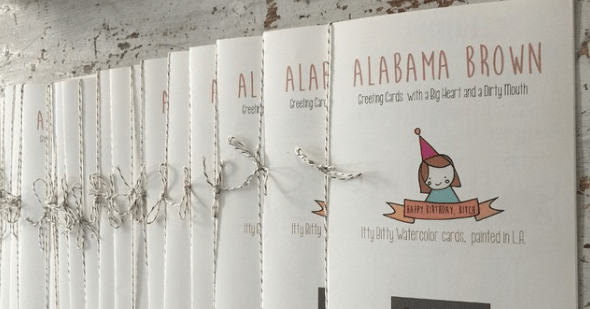
Not sure when to send samples to wholesale buyers? Learn the simple "4 of 20" rule and how to be generous without breaking the bank — practical advice for independent makers pitching retail stores.
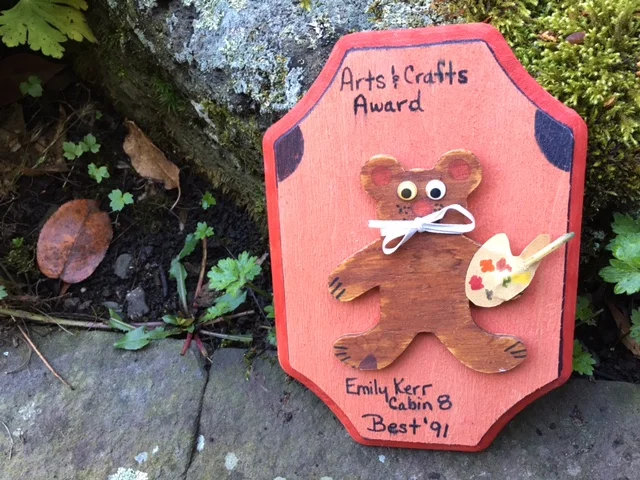
When I was about eight, I went to camp for the first time.
As a fairly introverted person who loved hanging out with my family, summer camp ended up being hard. Thirty-two-year-old me would know exactly why it would be hard for me and in what ways; eight-year-old me was bewildered, as the camp seemed literally designed to have a good time around every corner and yet I felt kind of dazed from home sicknesses and nervousness about how to be around the other kids.
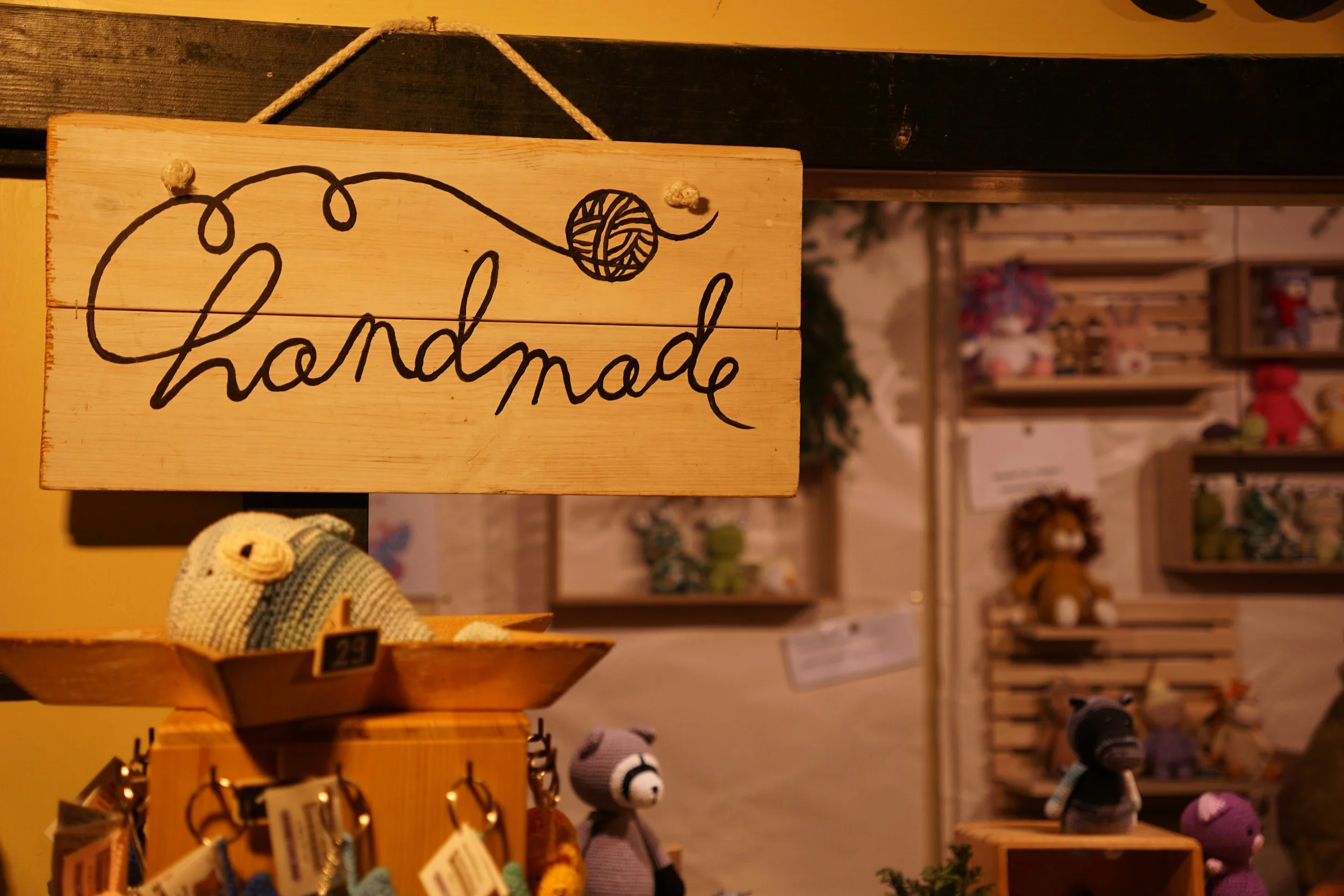
Seth Godin has a concept about a million dollars sitting in a safety deposit box you don't know exists. Your business assets work the same way — the email list you've never used, the loyal customers you haven't contacted, the local shops that would say yes tomorrow. The first step isn't action. It's inventory.
Faire Markets happen twice a year and bring serious retailer traffic — but are they worth it for your brand? Here's what to know before the next one, including the risks most brands overlook.

Most makers take "no's" from stores both too seriously and not seriously enough. Here's the shift that changes everything about your outreach.
Many times, a maker comes to us with a beautiful product and an incredible production process but their photos are just not great. They’re a little dark, slightly blurry, the setup isn’t ideal, and the spirit of the product itself isn’t coming through. Or sometimes the mechanics of the photos are good, but there’s no beauty to them, nothing really compelling -- the pieces feel dead and uninteresting.

Have you ever had to call a store owner by phone and felt a little stumped about what to say? This post is for you!
For the most part, when you're reaching out to stores that you don't have a previous connection to, we recommend using email. The main reason is that most store owners really want to be with their customers when they’re in the shop -- so they prefer not to have an in-person or telephone interruption. Plus, email has the added benefit of allowing you the time to craft your story, think through your email template, and attach a few beautiful photos of your work to make a good first impression.
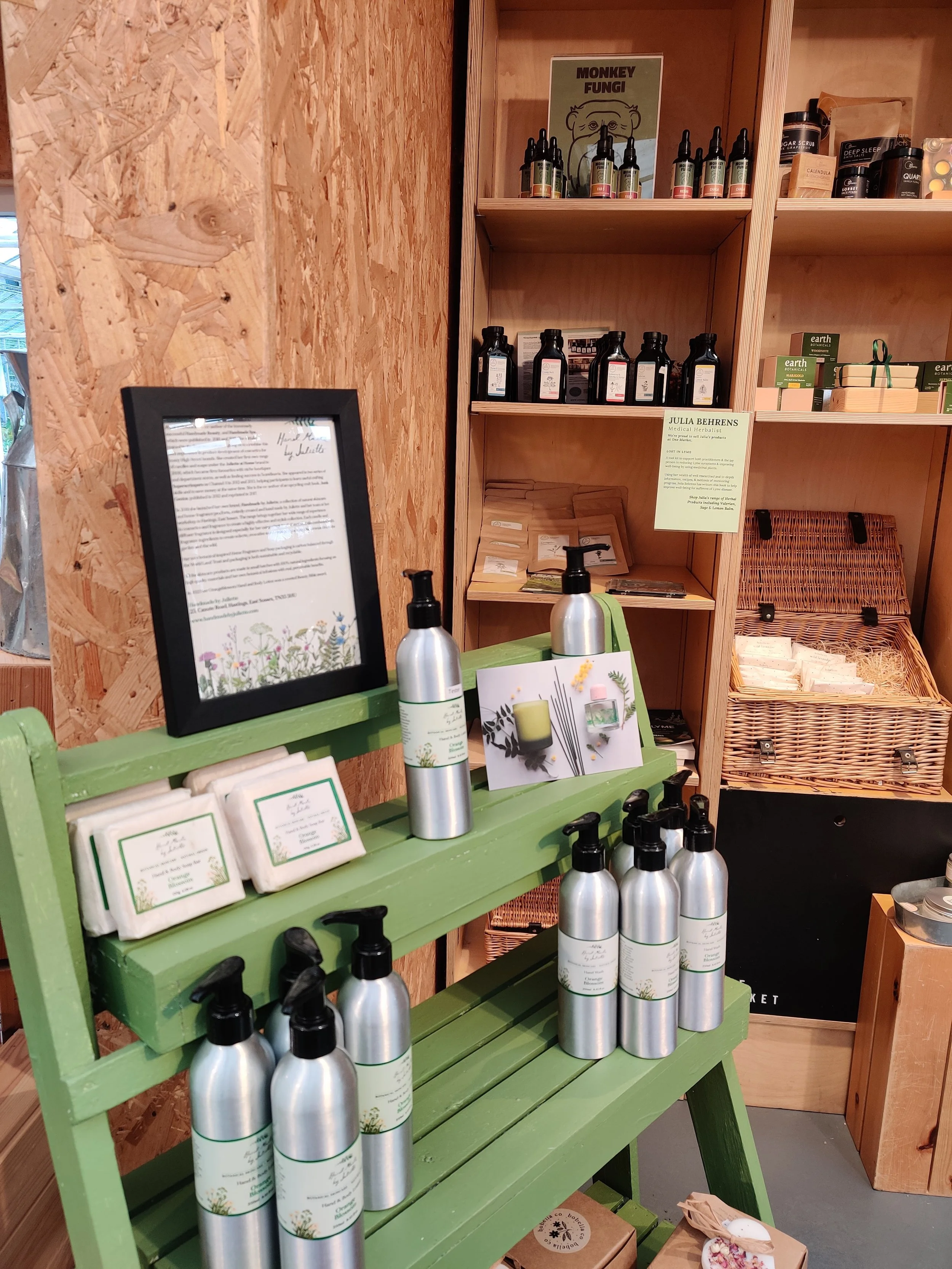
The question goes like this:
“I’m curious about pitching when you’re in the midst of putting together a new line sheet for the next season. I plan on having a new line sheet with lots of new cards around mid August (that’s the theory anyway) and I wasn’t sure if I should wait to pitch to new retailers until it’s ready? Or should I pitch them my current line sheet and just not worry about that?

We’ve worked with entrepreneurs around the world and with makers at every stage of their businesses. We’ve advised people with multi-million dollar businesses and those who are down to their last pennies. So we’ve seen a lot of folks make a lot of crucial decisions. And we certainly face a lot of them, as business owners.

An in-depth, experience-based review of Overjoy AI for wholesale makers covering its CRM, automations, Shopify and Faire integrations, lead generation potential, pricing, pros, cons, and practical alternatives.

A sharp, maker-first reminder that wholesale success starts on the shelf. How to ask and answer the one question every growing product business should be obsessed with: how your product sells itself, and why a customer will choose it.

Curiosity isn’t a luxury, it’s the practice that helps wholesale businesses move from survival toward something more resilient and human. That’s why we’re making 2026 the year of curious wholesale.

Some of the most important wholesale truths are things I don’t say out loud that often. But if I could sit down with you and tell you the real stuff that makes wholesale actually work — these are the five things I’d say.

Believe me when I tell you that this article is written by someone who does not have a natural affinity for AI. But here’s the thing: AI really is one of the most powerful tools humanity has ever created. As small business owners who want to make a living, express creativity, and build the world we want to live in, I don’t think avoiding AI serves us.
Most of us know the difference between revenue and profit: Revenue is the money that comes in; Profit is what is left after the bills are paid. The math is simple. What’s complicated is how we relate to it.

If you create products that you care about — whether you make them yourself or design them thoughtfully — selling wholesale can be one of the most grounding and consistent ways to grow your business. But wholesale can also feel uncertain. Wholesale In a Box exists to answer your questions in a way that is practical, kind, repeatable, and deeply effective.

If you’re a maker or small brand, it’s easy to forget how meaningful your work really is. It’s easy to feel like you’re hustling to sell tea towels while the world burns behind you. 😂 I do understand that. But after a recent day out with my mom and sister, I was reminded how small stores, handmade goods, and the simple act of buying something in person can bring us back to each other. And about the quiet, beautiful work of connection that you’re part of every day.

The biggest determinant in wholesale success – both in the early days and as you get more established – is having a great product… and finding unique, personal ways of connecting with store owners about that product. And both elements of that – product and connection – require creativity and your best approach will not look the same as someone else’s best approach.

The coaching I do isn’t generally about telling the person WHAT to decide or what to do. Rather, I support business owners in getting clear on HOW to decide. Of course, there are a lot of approaches to “how to decide” depending on the specifics of the situation. But there is one useful tool that I find myself returning to over and over again. And it can be seen in the form of a formula:
Numbers + Intuition = Good Decisions.

In December, I’m sitting at the kitchen table, working on my laptop, and Etan springs in the doorway with a cardboard box, crusted with packing tape. He hands it to me, and I immediately notice the return address: Gopi Shah Ceramics. When I see this, I’m thrilled -- I’ve wanted a Gopi Shah mug for years but haven’t gotten one, partly because of the tyranny of a small business owner’s budget and partly because we didn’t have a steady home base.
And Our Most Recent Articles
There's a Norwegian jiu-jitsu champion who changed how I think about wholesale (stay with me). His quote, “a copy is never as good as the original,” applies just as much to your line sheet, your marketing, and the size of your business as it does to a fight.
Some brands swear by Faire, some have sworn it off, and most of us are somewhere in the messy middle. We pulled together 11 of our most useful articles on Faire — the real costs, the algorithm, Faire Markets, and what happens after the sale — into one roundup for makers at any stage with the platform.
Some part of us wishes that things would have a hard part that eventually gets easy when we reach our goal. But if our strength rises to meet the challenge, then easier over time would just mean weaker over time.
A newer maker wanted to play it safe by making pieces "more like everyone else." Here's why that instinct is usually wrong and the 4 things I know to be true about building a line that's both successful and truly yours,
Everyone's talking about AI and automation these days, and sure, some of it's worth trying. But these three low-key tools are still some of the fastest ways to save time on email without losing the personal touch. No prompts, no subscriptions to manage, just simple shortcuts that work.
If your Faire sales feel flat, the problem probably isn't your products — it's your listings. Here's what the algorithm actually needs to surface you to the right buyers.
Your cheat sheet for holiday sales and holiday sanity. It’s for any maker who is trying to get their handmade line into more stores, but without driving themselves insane. We share our biggest learnings, based on watching hundreds of makers grow wholesale over the holiday
A single wholesale order might only be worth $150 — but the store behind it could be worth $3,000 over time. Here's how to turn first-time stockists into long-term accounts that reorder quarter after quarter.
If your Faire orders have dried up or dropped dramatically, it's almost certainly not about your products — here's exactly why it happens and what you can actually do about it. We dive into the early visibility boost Faire gives you, the “rules” and shifting goal posts on the marketplace, and the somewhat vexing algorithm. And of course, how to get back on track if needed.